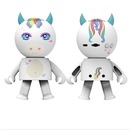
The Sawolol Girl Dancing Speaker combines wireless music playback, moving hands and legs, and a built-in night light to create a fun and interactive audio experience. Controlled via mobile phone, it is ideal for parties, picnics, and home decoration, bringing music and personality to any space. With gift-box packaging and a minimum order quantity of 50 pieces, it is a creative Bluetooth speaker for retailers, distributors, and e-commerce sellers looking to expand their lifestyle audio collections.

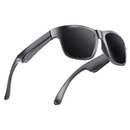
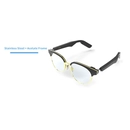
Discover smart audio sunglasses that combine modern fashion with everyday convenience. Featuring Bluetooth 5.3 connectivity, hands-free calling, polarized PA/TAC lenses with UV400 protection, and convenient magnetic charging, these stylish sunglasses let you enjoy music and calls while on the go. Designed for commuting, travel, outdoor leisure, and daily wear, they offer a practical blend of eyewear and wireless audio for a connected lifestyle.
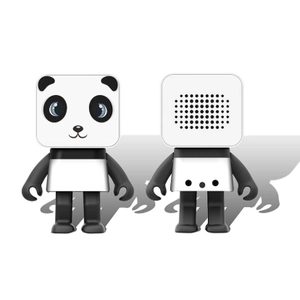
Discover the Panda Cube Dancing Speaker, a creative Bluetooth speaker featuring playful moving legs and wireless music playback controlled by your mobile phone. Combining fun design with everyday audio entertainment, it is ideal for parties, picnics, home décor and unique gift collections. A distinctive addition to the creative audio market, it helps brands and retailers offer customers a more engaging music experience.
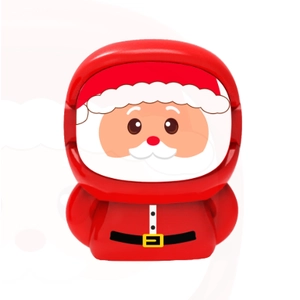
The Face-Changing Santa Claus Bluetooth Mini Speaker combines festive design with fun audio features, making it a perfect companion for Christmas celebrations and everyday entertainment. Featuring EQ audio-changing effects, colorful breathing lights, Bluetooth 5.1 connectivity, TWS pairing, and hands-free calling, this compact speaker delivers enjoyable music and interactive fun. Its portable design, 3W speaker, and 3–5 hours of playback make it ideal for home decoration, office desks, parties, travel, and holiday gifting.
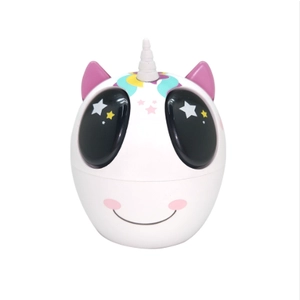
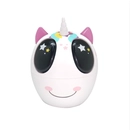
The Unicorn TWS True Earphone combines a unique, fashionable design with convenient wireless music playback and hands-free calling. Designed for modern lifestyles, these true wireless earbuds are ideal for everyday listening, commuting, travel, and leisure. With a low MOQ of 50 pieces and OEM/ODM cooperation options, they offer an attractive product choice for brands, distributors, and e-commerce sellers looking to expand their wireless audio collections.
First of all, we must understand the difference between passive speakers and active speakers.
Active speakers usually refer to speakers with power amplifiers, such as multimedia computer speakers, active subwoofers, and some new home theater active speakers. Since the active speaker has a built-in power amplifier circuit, the user does not have to consider the problem of matching with the amplifier, and it is also convenient to directly drive it with a lower level audio signal.
In addition, there are some professional recording monitor speakers with built-in power amplifier circuits and electronic crossover speakers with built-in electronic crossover circuits and amplifiers, which can also be classified into the category of active speakers.
Passive speakers are ordinary speakers that we usually use without power amplifier circuits inside. Although passive speakers do not have amplifiers, they often have crossover networks and impedance compensation circuits.
Active speakers are usually marked with parameters such as the output power, input impedance and input signal level of the built-in amplifier. The active subwoofer also marks the frequency characteristics of the input signal (such as full-band signal or low-frequency signal), low-pass filter characteristics and other parameters. Passive speakers are generally marked with impedance, power, frequency range, etc.

The difference between the power amplifier materials of home speakers and multimedia speakers:
1. Multimedia audio generally refers to "active speakers". That is, the power amplifier is integrated into the main box, and the speaker is directly driven to produce sound; household audio generally uses a combination of "external power amplifier + passive speaker".
For now, multimedia speakers cannot completely replace traditional home HIFI speakers, but the characteristics of home HIFI speakers displayed by multimedia speakers are the trend of future development.